Best Stealth and HOA-Friendly Ham Radio Antennas for Restricted Homes
Living in an HOA, condo, apartment, or antenna-restricted neighborhood does not mean you have to give up amateur radio.
It just means your station needs to be smarter, cleaner, quieter, and easier to hide.
This guide covers practical stealth antenna ideas for ham radio operators who want to get on the air without putting up a tower,
obvious beam, or large backyard wire that attracts attention.
Disclosure: As an Amazon Associate I earn from qualifying purchases. This page may contain affiliate links.
If you buy through these links, I may earn a small commission at no extra cost to you.
What Makes an Antenna HOA-Friendly?
An HOA-friendly antenna is usually one or more of these things:
- Low visibility
- Temporary or easy to take down
- Installed indoors or in an attic
- Disguised as something ordinary
- Small enough to avoid attention
- Useful with portable radios and tuners
- Practical for limited space
Important: “HOA-friendly” does not always mean “HOA-approved.” Always check your own rules, lease, local regulations, and safety requirements.
1. Attic Wire Antennas
An attic wire antenna is one of the first options to consider if you own a home but cannot place antennas outside.
A simple end-fed wire, random wire, or dipole can often be installed in an attic and connected to an antenna tuner.
This can work especially well on HF bands if your attic has enough space and does not contain too much metal, foil-backed insulation, or noisy electronics.
Best for:
- HOA homes
- Operators who want a hidden install
- HF listening and casual HF operation
- Digital modes like FT8
Things to consider:
- Performance depends heavily on attic size and materials
- Keep RF safety in mind
- A tuner may be required
- Noise from house electronics can be an issue
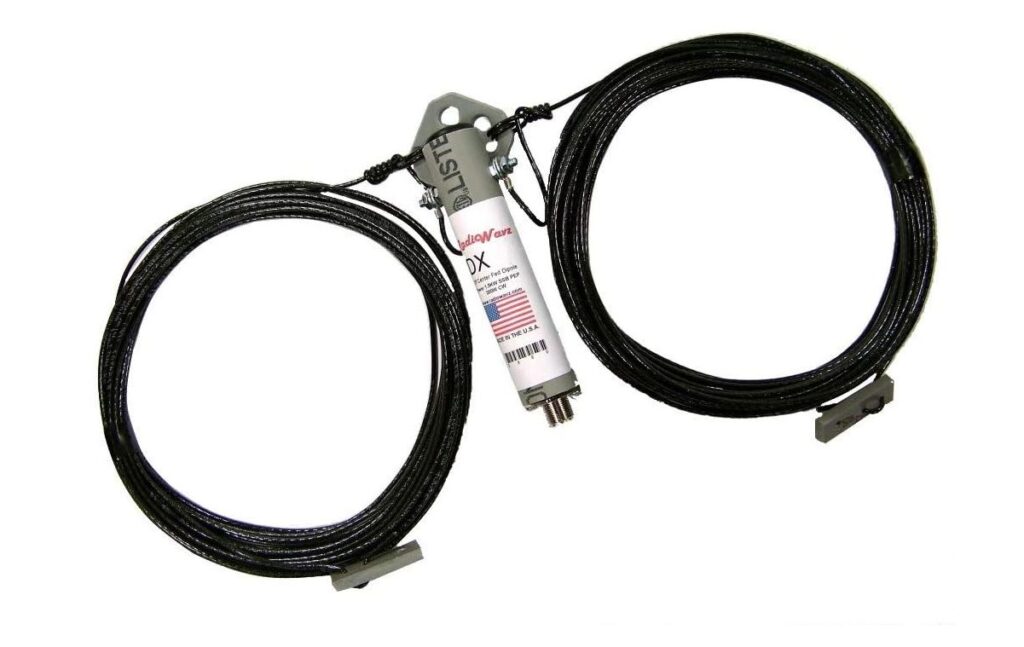
- Dipoles can take up space. This model is 66 feet long, so it works best in an attic, yard, or temporary portable setup with enough room.
2. End-Fed Half-Wave Antennas
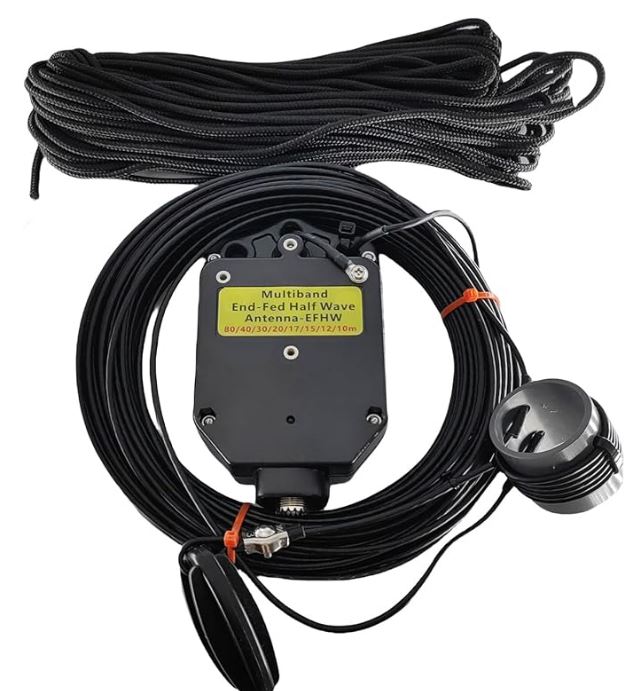
End-fed half-wave antennas are popular because they are flexible, simple, and easy to deploy in awkward spaces.
You can run one along a fence, through trees, around an attic, or temporarily from a portable mast.
For stealth operation, thin dark wire can be much harder to notice than a traditional antenna installation.
Best for:
- Portable HF
- POTA-style setups
- Temporary backyard operation
- HOA-limited homes
Things to consider:
- Needs good placement
- May need a counterpoise or common-mode choke
- Can still be visible if poorly installed
- Works best when you can get some wire outside or elevated
Suggested pin title: “The Simple Wire Antenna HOA Hams Should Know About”
3. Flagpole Vertical Antennas
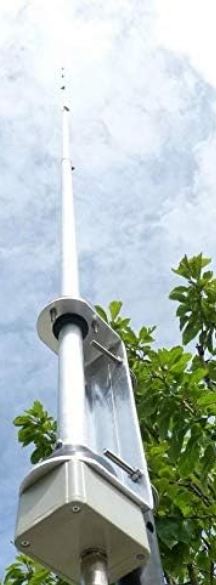
A flagpole vertical is one of the classic stealth antenna ideas. From the street, it looks like a normal flagpole.
Electrically, it can function as a vertical HF antenna.
This is usually a more expensive option, but it can be one of the cleanest-looking outdoor solutions for restricted neighborhoods.
Best for:
- Homeowners
- Operators who want a permanent-looking install
- HF operation
- Low-profile outdoor stations
Things to consider:
- More expensive than wire antennas
- Radials or matching systems may be needed
- Installation quality matters
- HOA rules may still apply
- Some flagpole-style antennas are designed primarily as antennas and may not be rated to fly a full-size flag, especially in wind Always check the manufacturer’s specs before using one as an actual flagpole
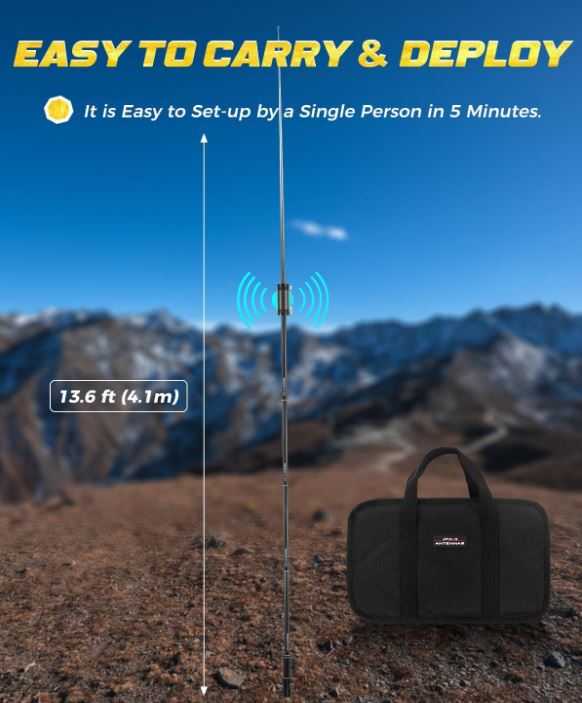
5. Portable Vertical Antennas
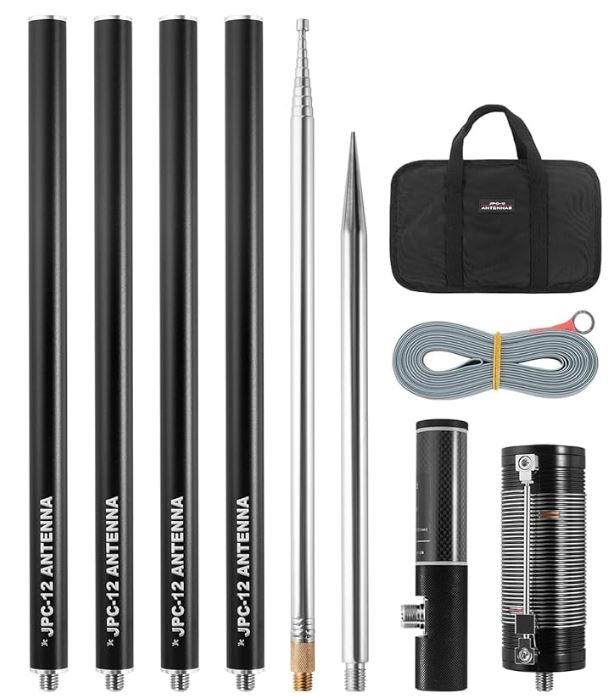
Portable vertical antennas are excellent for operators who cannot leave an antenna outside.
You set up, operate, then take everything down.
This works well for patios, backyards, parks, campsites, and POTA-style operating.
A portable antenna also pairs nicely with compact HF radios like the Xiegu G90, Yaesu FT-891, Icom IC-705, or similar rigs.
Best for:
- Temporary operation
- Portable HF
- HOA and apartment users
- Operators who want one antenna for home and field use
Things to consider:
- Setup time
- Counterpoise wires or radials
- Wind stability
- Lower efficiency on some bands compared with full-size antennas
6. Magnetic Loop Antennas
A magnetic loop antenna can be a strong choice for restricted spaces because it is compact and can often be
used indoors, on a balcony, or in a small yard.
Loops are especially interesting for operators who want HF capability without long wires. They can be
narrow-banded, which means tuning is more sensitive, but they can also be surprisingly effective for their size.
Best for:
- Apartments
- Condos
- Small patios
- Portable HF
- Stealth operation
Things to consider:
- Can be expensive
- Requires careful tuning
- High voltage can be present on transmit
- Placement affects performance
7. Indoor and Window Antennas for VHF/UHF
If your main interest is local repeaters, public service monitoring, airband listening, or scanner use,
you may not need a large outdoor antenna at all.
A simple window-mounted antenna, roll-up J-pole, indoor discone, or improved handheld antenna
can make a big difference compared with a stock rubber duck.
Best for:
- 2 meter and 70 cm operation
- Scanner listening
- SDR receivers
- Apartments and rentals
- Beginners building a small station
Things to consider:
- Indoor antennas are affected by walls and windows
- Height still matters
- Some windows have coatings that reduce signals
- Keep coax runs short when possible
My Recommended Starting Path
If you are in an HOA or apartment, I would start simple:
- For HF: try a temporary portable vertical or end-fed wire.
- For stealth home HF: consider attic wire, gutter, or magnetic loop options.
- For VHF/UHF: upgrade your handheld antenna or use a window/roll-up antenna.
- For scanning and SDR: pair a basic SDR dongle with a better antenna before spending big money.
The best stealth antenna is not always the most expensive one. It is the one you will actually use, can
safely install, and can operate without causing trouble with neighbors, family, or your HOA.
Final Thoughts
HOA restrictions are frustrating, but they do not end the hobby. Many operators make excellent
contacts with hidden wires, temporary verticals, attic antennas, magnetic loops, and portable stations.
The trick is to think like a portable operator at home: keep the station simple, make the antenna easy to deploy,
avoid visual clutter, and focus on getting on the air.
A modest antenna that gets used every week is better than a perfect antenna you are never allowed to install.